Key cutting is one of those services people often do not think about until they need an extra key, a replacement after loss, or a spare for family members, tenants, or staff. In a busy city like Leeds, where homes, flats, offices, and rental properties all rely on secure access, accurate key cutting plays an important role in everyday convenience and property security.
Although key cutting may seem simple, the process requires the right tools, experience, and attention to detail. A poorly cut key can stick in the lock, fail to turn, or even damage the cylinder over time. That is why professional key cutting services are worth understanding properly before choosing where to go.
Understanding the Key Cutting Process
The key cutting process begins with identifying the correct key type and lock system. Not every key is the same. Some are standard brass keys, while others are more advanced such as Yale keys, euro cylinder keys, mortice keys, dimple keys, or restricted security keys. A trained locksmith will first check the key profile, blade type, and blank required before making any cuts.
This matters because modern locking systems depend on precision. Even a small difference in the shape of the key teeth can stop the lock from operating correctly. In many cases, the locksmith will also inspect the original key for wear, because copying a worn key can produce an inaccurate duplicate.
Step 1: Inspect the Original Key or Lock
The first stage is assessment. If you already have a working key, the locksmith will inspect its condition and determine whether it is suitable for duplication. If the key is bent, worn down, or damaged, it may not be the best pattern to copy.
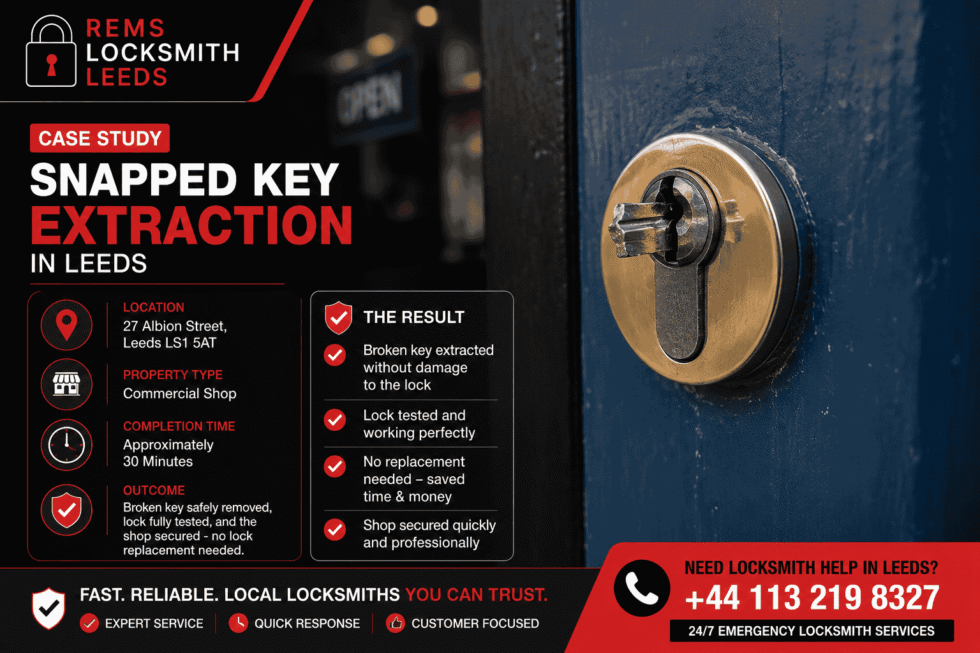
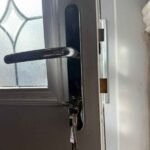
If the original key is missing, the locksmith may need to work from the lock itself or assess the door hardware to identify the correct blank. This is common in situations where a key has been lost, snapped, or broken inside the mechanism. In some cases, the locksmith may recommend broken key extraction before creating a replacement key.
Step 2: Select the Correct Key Blank
Once the key type has been identified, the locksmith selects the correct blank. This is the untreated metal key that matches the profile of the original. Choosing the right blank is essential because the cutting machine can only reproduce the shape accurately if the blank is compatible with the lock system.
Different key blanks are used for different applications. Residential front doors often use standard cylinder blanks, while internal security doors or older properties may require mortice-style keys. Leeds properties can vary widely, from modern apartments to traditional terraced homes, so choosing the right blank is an important part of the process.
Step 3: Use the Cutting Machine
The key blank is then placed into a key cutting machine. If the locksmith is copying an existing key, the original and blank are positioned together so the machine can trace the pattern. If the key is being cut from a code or lock reference, the machine is set up to cut the blank according to the required measurements.
This is where precision matters most. The machine removes small amounts of metal from the blank to create the same grooves and cuts as the original. A professional locksmith will make sure the blade is aligned properly and that the depth of each cut is accurate.
Good key cutting is not just about speed. It is about producing a smooth, reliable duplicate that works cleanly in the lock without forcing it.
Step 4: Smooth and Finish the Edges
After cutting, the key may have rough edges or small metal burrs. These are removed during the finishing stage so the key feels smooth in the hand and slides properly into the lock. This finishing step helps prevent wear on the lock cylinder and improves the overall performance of the key.
A well-finished key should turn easily and not feel sharp, rough, or uneven. If the edges are not cleaned properly, the key may drag inside the lock or leave metal residue over time.
Step 5: Test the Key for Accuracy
Testing is one of the most important stages of the process. A professional locksmith will usually check the cut key in the relevant lock to confirm that it turns correctly and engages with the mechanism as intended.
This step helps identify any small errors before the customer leaves. Even tiny deviations can affect how smoothly the key works. A properly tested key should:
- enter the lock without resistance
- turn smoothly
- operate the mechanism without sticking
- not force the cylinder or bolt
If the key does not perform correctly, the locksmith may recut or adjust it until the fit is right.
Step 6: Advise on Key Care and Security
A good key cutting service does not end with the duplicate itself. The locksmith should also offer practical advice on key care, safe storage, and security. This may include guidance on avoiding excessive key bending, keeping spares in secure places, and replacing worn keys before they fail.
In some situations, a locksmith may also explain whether a standard duplicate is suitable or whether the property would benefit from a higher security option. This is especially useful for landlords, business owners, and homeowners who want to improve access control and reduce the risk of lock issues later on.
Why Professional Key Cutting Matters in Leeds
Leeds has a wide mix of property types, and that means key and lock requirements can vary from one area to another. A professional locksmith understands common lock systems used in local homes and commercial buildings and can cut keys with the right level of accuracy.
Choosing a skilled service is particularly important when dealing with:
- front door locks
- spare keys for family members
- rental property access
- office and commercial security
- older locks with unusual key profiles
A poorly cut key may seem like a minor problem at first, but it can lead to unnecessary wear, jammed locks, and added repair costs later.
Final Thoughts
The key cutting process is straightforward when handled by a trained locksmith, but every stage matters. From identifying the correct blank to cutting, finishing, and testing the key, accuracy is what ensures the final result works properly.
For homeowners and businesses in Leeds, reliable key cutting is more than a convenience. It is part of keeping a property accessible, secure, and well maintained. Whether you need a spare key, a replacement after damage, or support after a broken key situation, choosing a professional locksmith makes the difference.
In many cases, working with a trusted local provider such as REMS Locksmith Leeds gives you the reassurance that the job will be handled carefully, efficiently, and with the right attention to detail.