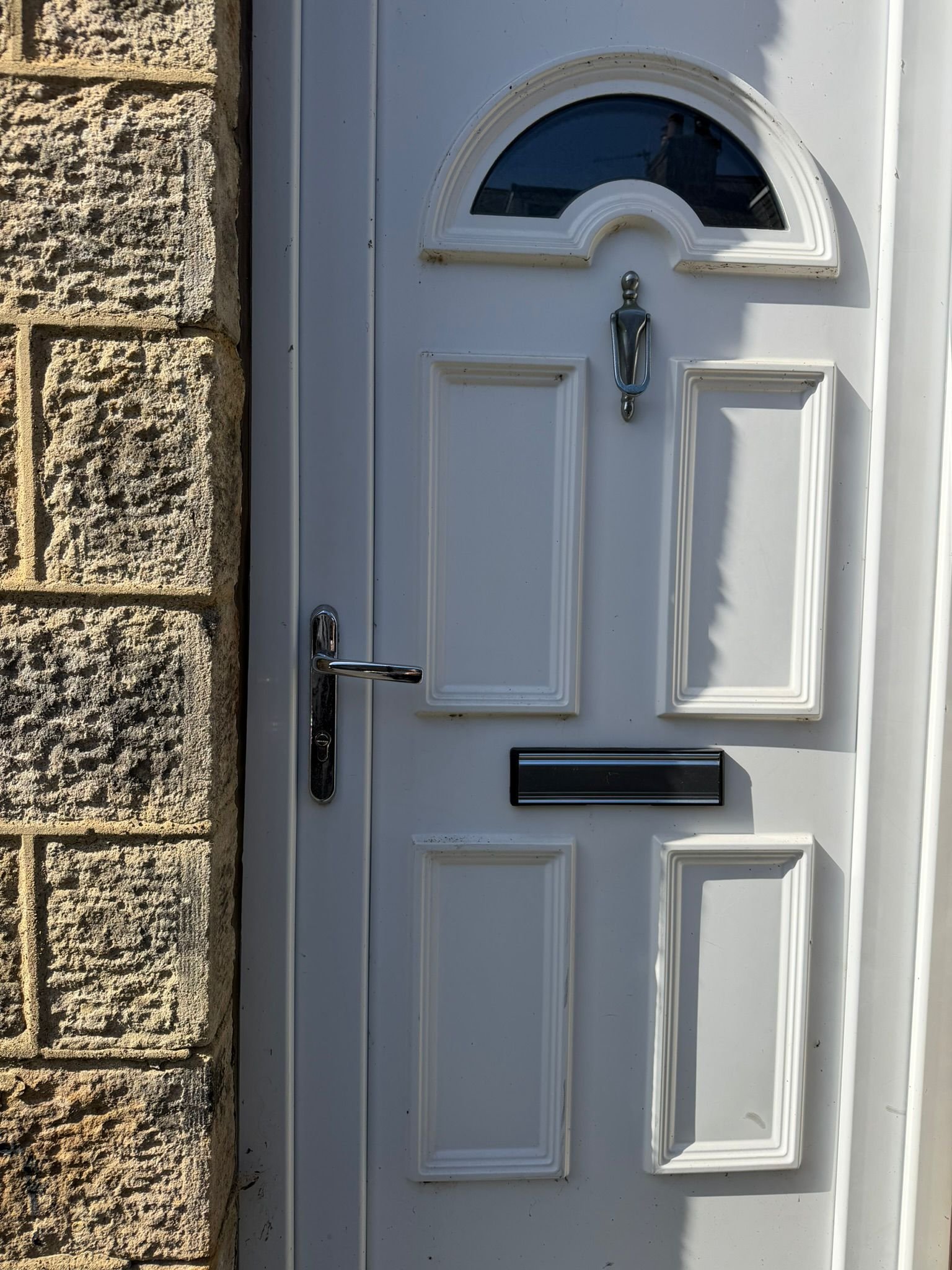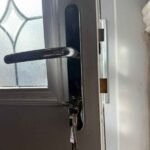
uPVC doors are a common feature in homes across Leeds because they offer a smart mix of durability, security, and low upkeep. They are built to handle everyday use well, but like any part of a property, they still need regular attention to stay in good condition.
A little maintenance can go a long way. Simple checks on the hinges, lock, seals, and frame can help prevent stiffness, draughts, and costly repairs later on. For homeowners, landlords, and property managers, keeping a uPVC door in top shape is one of the easiest ways to protect both comfort and security.
Why uPVC Door Maintenance Matters
A well-maintained uPVC door does more than open and close smoothly. It helps keep heat inside, stops water from getting in, and reduces the risk of lock failure. Over time, normal use can cause small issues such as loose handles, worn seals, or a door that no longer lines up properly with the frame.
These problems often start small, but they can become expensive if ignored. Regular care helps you spot warning signs early and keeps the door working as it should.
Quick Maintenance Guide
| Maintenance Task | How Often | Main Benefit |
|---|---|---|
| Clean the frame | Monthly | Keeps the surface looking fresh |
| Check the lock | Every 3 months | Helps prevent sticking |
| Lubricate moving parts | Every 6 months | Improves smooth operation |
| Inspect seals | Quarterly | Reduces draughts and leaks |
| Tighten screws | Every 6 months | Maintains stability |
| Test alignment | Twice a year | Stops door rubbing or dropping |
20 Maintenance Tips for uPVC Doors in Leeds
1. Clean the Frame Regularly
Use warm water and a soft cloth to remove dirt, dust, and everyday grime. This keeps the door looking good and helps prevent buildup around the edges and hardware.
2. Avoid Harsh Chemicals
Strong cleaning products can damage the surface of the door. Gentle soap and water are usually enough for routine cleaning.
3. Check the Handle for Loose Movement
A handle that feels loose can be an early sign that screws need tightening or internal parts are wearing out.
4. Lubricate Moving Parts
Hinges, latch points, and locking mechanisms work better when they are kept lightly lubricated. Use a suitable product designed for door hardware.
5. Inspect the Seals
The rubber seals around the door help keep out cold air and moisture. If they are cracked, worn, or coming away from the frame, they should be replaced.
6. Test the Lock Smoothness
Turn the key and lift the handle to see whether the lock engages properly. If it feels stiff, the mechanism may need attention.
7. Keep the Drainage Channels Clear
Many uPVC doors have drainage points that help water escape. If these become blocked, moisture can build up around the frame.
8. Watch for Draughts
If cold air is coming through the edges of the door, it may mean the seals are not performing properly or the door has moved out of alignment.
9. Tighten Loose Screws
Over time, vibration and repeated use can loosen screws in the handle, hinges, and locking system. A quick check can prevent larger issues later.
10. Avoid Slamming the Door
Repeated slamming puts pressure on the hinges and lock. Gentle use helps extend the life of the hardware.
11. Check Door Alignment
If the door starts rubbing at the top or bottom, it may have dropped slightly. This can affect locking and should be corrected early.
12. Look at the Hinges
Hinges carry a lot of the door’s weight. Any rust, movement, or visible wear should be checked before it becomes a bigger problem.
13. Clean Around the Lock Area
Dust and dirt can collect around the cylinder and latch. Keeping this area clean helps the mechanism perform more reliably.
14. Test the Door in Different Weather
In Leeds, changes in temperature and moisture can affect how a uPVC door sits in its frame. Check whether it opens and closes smoothly in both colder and warmer months.
15. Keep the Key in Good Condition
A bent or worn key can cause extra strain on the lock. If the key is damaged, it is better to replace it sooner rather than later.
16. Watch for Water Around the Threshold
If water pools near the bottom of the door after rain, there may be a problem with drainage, sealing, or alignment.
17. Check the Locking Points
Multi-point locking systems should engage evenly. If one part is catching or not lining up properly, the door may need adjustment.
18. Listen for Unusual Noises
Grinding, scraping, or clicking sounds can point to friction or wear inside the mechanism. These noises should not be ignored.
19. Inspect the Frame for Movement
If the frame has shifted, even slightly, it can affect the way the whole door works. This is especially important on older properties.
20. Deal With Problems Early
Small faults rarely improve on their own. If the handle is stiff, the key is hard to turn, or the door no longer shuts correctly, it is better to act quickly.
Common Signs Your uPVC Door Needs Attention
Here are some of the most common warning signs:
- The door feels heavy or difficult to close
- The handle has become loose
- The key is hard to turn
- Cold air is coming through the edges
- The door is rubbing against the frame
- The lock does not engage properly
- Water is appearing near the bottom edge
These issues usually mean something in the door system needs adjusting, cleaning, or replacing.
Seasonal Maintenance Tips
Leeds weather can be hard on external doors, so seasonal checks are useful.
In Spring and Summer
- Clean off pollen and dirt
- Check hinges after winter movement
- Inspect seals for drying or cracking
- Make sure drainage channels are open
In Autumn and Winter
- Look for draughts
- Lubricate locks and moving parts
- Check for condensation or water around the frame
- Make sure the door closes tightly as temperatures drop
When to Call a Professional
Some uPVC door problems can be handled with basic maintenance, but others need expert attention. If the lock is failing, the door has dropped badly, or the mechanism is no longer working properly, professional repair is the safest option.
For homeowners who need reliable help with a faulty door, uPVC door lock repair in Leeds is a practical service to consider when the issue goes beyond simple maintenance and needs proper attention.
Final Thoughts
Keeping a uPVC door in good condition is not difficult, but it does require regular care. A few minutes spent checking the hinges, seals, handle, and lock can prevent many of the problems that lead to expensive repairs.
With the right routine, your door can stay secure, smooth to use, and weather-resistant for years. And when maintenance is no longer enough, REMS Locksmith Leeds can provide the support needed to get everything working properly again.