Your door locks are the first line of defence against intruders, yet they’re often overlooked until something goes wrong. Whether you own a home, rent a property, or manage a business, keeping your locks in good condition is essential for protecting your family, belongings, and peace of mind. Worn, damaged, or outdated locks can become unreliable over time, making your property more vulnerable to break-ins or unexpected lockouts.
At Rems Locksmith Leeds, we help homeowners and businesses improve their security with professional locksmith services. If your uPVC door isn’t locking properly, our Upvc Door lock repair Expert can quickly diagnose and resolve the issue before it becomes a major security risk.
1. Your Lock Is Becoming Difficult to Turn
One of the clearest signs that your lock needs replacing is when it becomes difficult to operate. If you have to jiggle the key, apply extra force, or try several times before the lock opens, the internal mechanism may be worn out.
Common causes include:
- Internal wear and tear
- Dirt inside the cylinder
- Rust and corrosion
- Misaligned door hardware
Ignoring these warning signs could eventually leave you locked out of your property.
2. You’ve Moved Into a New Home
When you purchase a new property, you have no way of knowing how many copies of the keys exist. Previous owners may have given spare keys to family members, neighbours, contractors, cleaners, or estate agents.
Replacing the locks after moving in is one of the simplest ways to gain complete control over your home’s security. It also provides peace of mind knowing that only you and the people you trust have access.
3. You’ve Lost Your Keys
Losing your keys can happen to anyone, but it also creates a security risk. Even if you believe they’ll eventually turn up, there’s always a possibility they could be found by someone else.
Changing your locks after losing your keys helps prevent unauthorised access and protects your property from potential theft.
4. Your Lock Is Visibly Damaged
Physical damage should never be ignored. Cracked cylinders, bent components, broken handles, or loose lock mechanisms all reduce the effectiveness of your security.
Visible damage often results from:
- Attempted break-ins
- Heavy daily use
- Accidental impact
- Poor installation
- Weather exposure
Replacing damaged locks promptly helps maintain the safety of your property.
5. Your Locks Are More Than Ten Years Old
Like any mechanical device, door locks wear out over time. Older locks may still function, but the internal components become weaker after years of daily use.
Modern locks offer significantly better protection with features such as:
- Anti-snap technology
- Anti-drill protection
- Anti-pick cylinders
- Reinforced locking systems
Upgrading older locks is an effective way to improve your home’s overall security.
6. Your Door Doesn’t Lock Properly
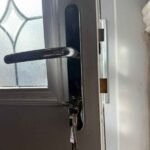
If your door refuses to latch correctly or requires pushing, pulling, or lifting before it locks, the issue may be more serious than simple misalignment.
Signs include:
- Key only turns halfway
- Handle feels stiff
- Door doesn’t close smoothly
- Lock sticks regularly
Operating a faulty lock every day increases wear and may eventually cause complete lock failure.
7. You’ve Experienced a Break-In
After any attempted burglary or break-in, replacing your locks should be a priority. Even if the lock appears to work normally, internal damage may have weakened the security mechanism.
Many burglars target older or damaged locks because they are easier to force open. Installing a new, high-security lock provides better protection against future attempts.
8. Your Key Gets Stuck
If your key regularly sticks inside the lock or becomes difficult to remove, the internal pins may be worn.
Other warning signs include:
- Grinding noises
- Rough turning
- Bent keys
- Key becoming trapped
Replacing the lock before it completely fails can save you from an emergency lockout.
9. Rust and Corrosion Are Appearing
Outdoor locks are constantly exposed to rain, moisture, dust, and changing temperatures. Over time, corrosion weakens the internal components and affects smooth operation.
Rusty locks may:
- Become stiff
- Jam unexpectedly
- Break internally
- Reduce security
Replacing heavily corroded locks is often more reliable than attempting repeated repairs.
10. You’re Upgrading Your Home Security
Sometimes there isn’t anything wrong with your existing locks—they’re simply outdated.
Homeowners often replace locks to:
- Improve burglary resistance
- Meet insurance requirements
- Increase property security
- Upgrade after home renovations
- Install keyed-alike locking systems
Investing in modern security hardware can significantly reduce the risk of unauthorised entry.
Why Replacing Door Locks Is Important
Many people delay replacing faulty locks because they still function “well enough.” Unfortunately, locks often fail without warning.
Replacing worn locks offers several benefits:
- Improved home security
- Better protection against forced entry
- Reliable daily operation
- Reduced chance of lockouts
- Greater peace of mind
- Longer-lasting performance
- Increased property value
Considering the relatively low cost of replacement compared to the potential cost of burglary or emergency repairs, upgrading your locks is a worthwhile investment.
Repair or Replace?
Not every lock needs replacing. Minor issues such as loose handles, slight door misalignment, or worn strike plates can often be repaired. In many cases, repairing the existing mechanism is more cost-effective than a full replacement. If you’re unsure about the potential expense, our guide to uPVC door repair costs explains the factors that influence pricing and when a repair may be the better option.
However, replacement is usually the better choice when:
- The cylinder is damaged.
- Internal components have worn out.
- The lock has suffered forced entry.
- The mechanism repeatedly jams.
- The lock no longer meets modern security standards.
A qualified locksmith can inspect your door and recommend whether a repair or complete lock replacement is the safest and most cost-effective solution.
How to Extend the Life of Your Door Locks
Although all locks eventually wear out, proper maintenance can significantly increase their lifespan.
Here are a few simple tips:
- Clean locks regularly.
- Use a suitable lock lubricant.
- Avoid forcing the key.
- Replace damaged keys.
- Tighten loose screws.
- Keep the door properly aligned.
- Address small problems before they become major repairs.
Regular maintenance helps your locks operate smoothly while reducing unnecessary wear.
Frequently Asked Questions
How do I know if my lock should be replaced?
If your lock sticks, becomes difficult to turn, shows visible damage, or frequently causes problems, it’s usually time for replacement.
Should I replace locks after moving house?
Yes. You cannot know how many spare keys exist, so changing the locks is recommended for security.
Can old locks increase burglary risk?
Yes. Older locks often lack modern security features and are generally easier for criminals to bypass.
Is replacing a lock expensive?
The cost varies depending on the type of lock, but replacing a faulty lock is usually much cheaper than dealing with the consequences of a burglary or emergency lockout.
Final Thoughts
Your door locks protect everything that matters most, so it’s important not to ignore early warning signs of wear or damage. Whether your key sticks, your lock feels loose, or you’ve recently moved into a new property, replacing outdated locks is one of the simplest ways to improve your security.
Regular inspections, proper maintenance, and timely lock replacements can help prevent costly emergencies while ensuring your home or business remains protected all year round.