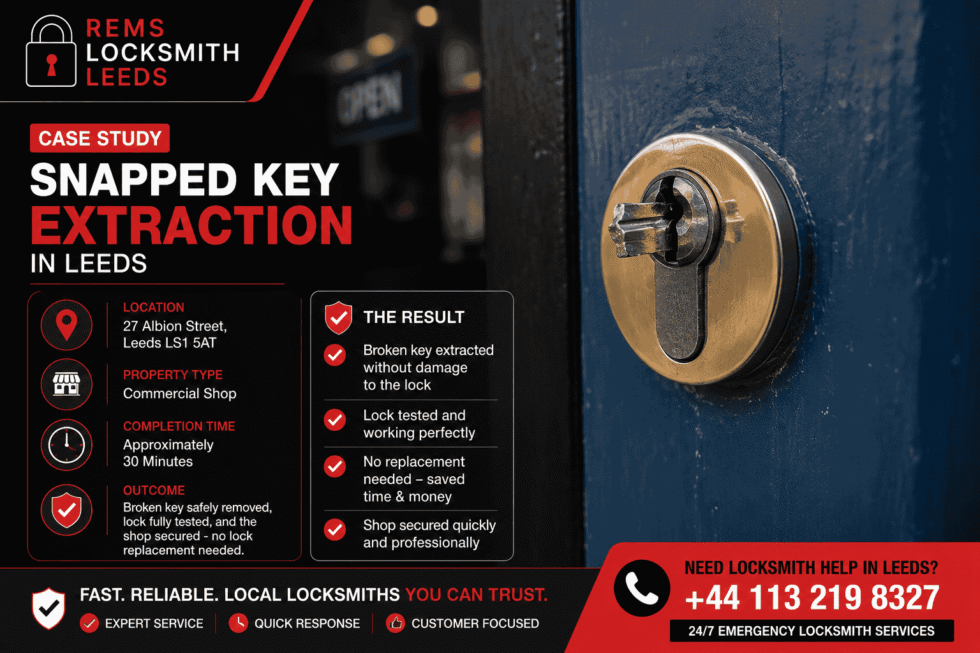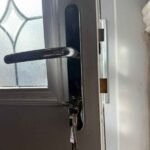
A broken key inside a lock is one of the most frustrating problems a homeowner or business owner can experience. One moment you are trying to unlock your door normally, and the next moment the key snaps, leaving part of it stuck inside the lock. This situation can prevent you from entering your property, securing your home, or accessing your business premises.
Many people assume that keys only break because they are old or because too much force was used. However, several factors can contribute to key failure, including worn-out keys, damaged locks, incorrect alignment, poor-quality materials, and lack of maintenance. If you need a replacement key after damage or wear, understanding the step-by-step key cutting process in Leeds can help ensure you receive a properly cut and reliable key.
Understanding why keys break in locks can help you prevent unexpected lockouts and protect your security system. In this guide, we will explain the most common reasons keys snap, how to avoid key breakage, and what steps you should take if your key breaks inside a lock.
Common Reasons Why Keys Break in Locks
Keys are small metal objects that experience repeated pressure every time they are inserted, turned, and removed from a lock. Over time, this constant use can weaken the key and increase the risk of snapping.
Below are the most common causes of broken keys.
1. Old and Worn-Out Keys
One of the most common reasons keys break is simply because they have reached the end of their lifespan.
Every time you use a key, small amounts of stress are placed on the metal. After years of daily use, the key can develop:
- Small cracks
- Weak points
- Bent areas
- Thin sections around the cuts
These weaknesses may not always be visible, but they can eventually cause the key to snap when turning inside the lock.
Older keys are especially vulnerable because they have already experienced thousands of locking and unlocking cycles. Even if a key still works, it does not mean it is in perfect condition.
How to prevent it:
- Replace heavily used keys before they become damaged
- Avoid using keys with visible cracks or bends
- Keep spare keys available
- Get a replacement key cut from a good-quality original
2. Using Too Much Force When Turning the Key
A healthy lock should operate smoothly with minimal pressure. If you need to force the key to turn, there is usually an underlying problem.
Many people accidentally break keys because they apply excessive force when:
- The lock is stiff
- The key is not inserted properly
- The door is under pressure
- The lock mechanism is damaged
A key is designed to move internal lock components, not withstand heavy twisting pressure.
When too much force is applied, the weakest point of the key usually breaks first.
Common signs you are using too much pressure:
- The key feels difficult to rotate
- The lock feels jammed
- You need to wiggle the key repeatedly
- The key bends while turning
If your lock is becoming difficult to operate, it is better to inspect the lock instead of forcing the key.
3. A Damaged or Faulty Lock Mechanism
Sometimes the problem is not the key itself. A damaged lock can put extra pressure on the key and cause it to break.
Inside every lock cylinder are small components that need to move correctly. Over time, these parts can become damaged due to:
- General wear and tear
- Dirt and debris buildup
- Rust
- Internal component failure
- Poor-quality lock materials
When internal parts stop moving smoothly, the key has to work harder to operate the lock.
This additional resistance increases stress on the key and can eventually cause it to snap.
Signs your lock may be causing key problems:
- The key feels stiff
- The lock makes unusual noises
- The key does not turn smoothly
- The cylinder feels loose
- The lock frequently jams
In these situations, repairing or replacing the lock may be necessary.
4. Poor Quality or Weak Key Materials
Not all keys are made with the same quality standards. Some cheaper keys are produced using weaker metals that are more likely to bend or break.
Low-quality duplicate keys may:
- Wear faster
- Have inaccurate cuts
- Be weaker than original manufacturer keys
- Create extra pressure inside the lock
A poorly cut key may also not match the internal pins of the lock correctly, forcing you to apply more pressure when turning it.
Better option:
Always choose a professional key cutting service that uses quality materials and accurate equipment.
A properly cut key will operate smoothly and reduce unnecessary strain on your lock.
5. Incorrectly Cut Duplicate Keys
A duplicate key should match the original key pattern exactly. However, mistakes during key cutting can create problems.
An incorrectly cut key may:
- Stick inside the lock
- Require extra force
- Damage internal lock components
- Break more easily
Some signs of a poorly duplicated key include:
- The key works sometimes but not always
- You need to move the key around to unlock
- The key does not enter smoothly
- The lock feels different compared to the original key
If a new duplicate key does not work properly, avoid repeatedly forcing it. Getting it checked early can prevent a broken key situation.
6. Cold Weather and Temperature Changes
Weather conditions can also affect locks and keys.
During colder months, locks can become harder to operate because:
- Moisture freezes inside the mechanism
- Lubricants become less effective
- Metal components contract slightly
When a lock becomes stiff in cold weather, people often apply more force, increasing the chance of key damage.
Cold weather prevention tips:
- Keep locks clean and maintained
- Use suitable lock lubricant
- Avoid forcing frozen locks
- Check outdoor locks regularly
7. A Misaligned Door or Lock
Sometimes the lock itself is fine, but the door position creates pressure on the locking system.
A door can become misaligned because of:
- Loose hinges
- Building movement
- Weather changes
- Door frame problems
When the door does not line up correctly, the lock bolt or latch may become difficult to move.
This means the key has to overcome additional resistance, increasing the risk of snapping.
Signs of door misalignment:
- Door is difficult to close
- Lock only works when lifting or pushing the door
- Key turns more easily when the door is open
- The latch does not line up correctly
Fixing the door alignment can often prevent future key problems.
8. Rust and Corrosion
Metal keys and locks can suffer from corrosion, especially outdoor locks exposed to moisture.
Rust can weaken:
- The key surface
- Internal lock components
- The connection between key and cylinder
A rusty lock may become increasingly difficult to operate, forcing users to apply more pressure.
Regular maintenance and protection from moisture can significantly extend the life of your locking system.
9. Using the Wrong Key
Although it sounds obvious, using the wrong key is another common reason keys break.
People sometimes force keys that:
- Look similar
- Belong to another door
- Are from a different lock
Even if the key enters the lock, forcing it can damage both the key and the lock mechanism.
Always confirm you are using the correct key before applying pressure.
What Should You Do If Your Key Breaks Inside a Lock?
A broken key situation requires careful handling. Trying to remove it incorrectly can push the broken piece deeper into the lock or damage the cylinder.
Follow these steps:
1. Stay Calm and Avoid Force
Do not continue turning the remaining part of the key. This can make the situation worse.
Avoid using excessive force or sharp objects that may damage the lock.
2. Check If the Broken Key Is Visible
If part of the key is sticking out, it may be possible to carefully remove it using specialist tools.
However, avoid using household items that may push the key further inside.
3. Contact a Professional Locksmith
A trained locksmith has specialist key extraction tools designed to safely remove broken keys without unnecessary damage.
Professional locksmiths can:
- Extract broken keys
- Repair damaged locks
- Replace faulty cylinders
- Provide replacement keys
This is often the safest and quickest solution.
Can a Broken Key Damage a Lock?
Yes, a broken key can sometimes indicate or create lock problems.
If the key breaks because of excessive pressure, the lock may already have internal damage. Additionally, forcing extraction methods can damage:
- Lock pins
- Cylinder components
- Internal mechanisms
A professional inspection can determine whether the lock can be repaired or needs replacement. In some cases, upgrading to a more secure locking system may be recommended. Understanding the differences between Euro cylinder vs multi-point lock guide can help you choose the right option for your property’s security needs.
How to Prevent Keys From Breaking in Locks
Preventing key breakage is much easier than dealing with a broken key emergency.
Here are some simple maintenance tips:
Keep Your Lock Clean
Dust and debris can affect lock performance. Regular cleaning helps internal components move smoothly.
Lubricate Your Lock Properly
Using the correct lock lubricant reduces friction and improves operation.
Avoid using unsuitable oils that may attract dirt and cause future problems.
Replace Damaged Keys
Do not wait until a damaged key breaks completely.
Replace keys showing:
- Bending
- Cracks
- Excessive wear
- Rust
Maintain Your Door Alignment
Make sure your door closes and locks smoothly without pressure.
Use Quality Keys
Professional key cutting produces stronger, more accurate keys that work better with your lock.
When Should You Replace Your Lock?
Sometimes repeated key problems indicate that the lock itself needs replacing.
Consider replacing your lock if:
- Keys regularly get stuck
- The cylinder feels loose
- The lock is old
- The mechanism is damaged
- The lock has security weaknesses
Modern security locks, including anti-snap cylinders, can provide better protection and improved reliability.
Frequently Asked Questions About Broken Keys
Why does my key keep breaking in the lock?
Keys usually break because of wear and tear, excessive force, damaged locks, poor-quality duplicates, or alignment problems. If your key repeatedly breaks, the lock should be inspected.
Can I remove a broken key myself?
Sometimes a visible piece of key can be removed carefully, but attempting DIY methods can make the problem worse. Professional locksmiths have the correct tools for safe extraction.
How much does broken key extraction cost?
The cost depends on factors such as the lock type, location, time of service, and whether the lock needs repair or replacement.
Should I replace my lock after a key breaks?
Not always. If the lock is working correctly after extraction, replacement may not be required. However, if the lock is damaged or worn, replacing it can prevent future problems.
How long should a house key last?
A key’s lifespan depends on usage, material quality, and maintenance. Frequently used keys may wear out after several years, especially if they are exposed to stress or damage.
Final Thoughts
Keys break in locks for many reasons, including old keys, damaged locks, excessive force, poor-quality duplicates, and lack of maintenance. While a broken key can be stressful, understanding the causes can help you prevent future problems.
Regular lock maintenance, replacing worn keys, and fixing lock issues early can significantly reduce the risk of key failure.
If your key has already snapped inside your lock, avoid forcing it and contact a professional locksmith who can safely remove the broken piece and restore access to your property.
A small amount of maintenance today can save you from an unexpected lock emergency tomorrow.