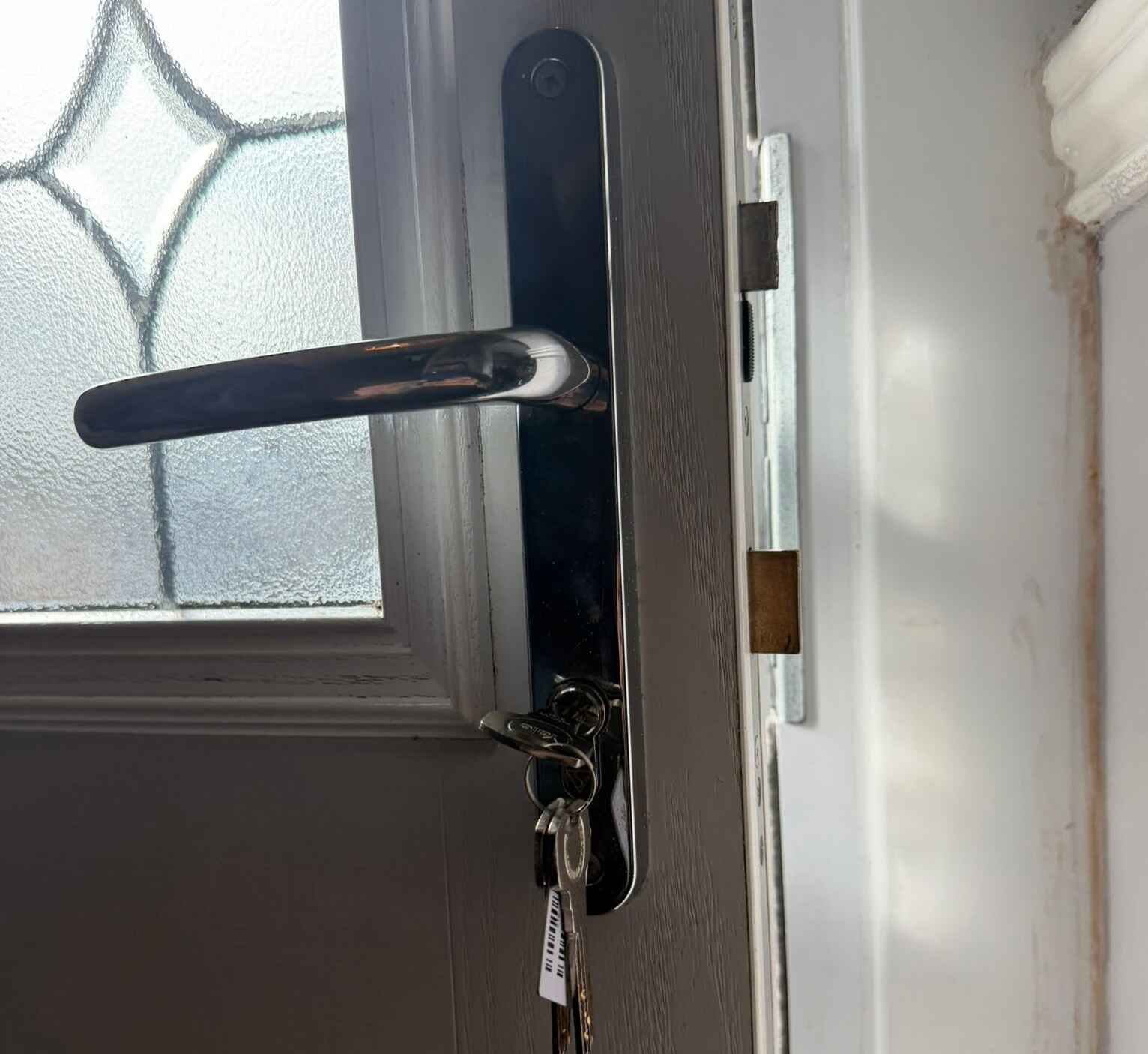
A damaged door lock can quickly become a security concern, but it doesn’t always mean you need a completely new lock. In many cases, a professional locksmith can repair the problem and restore the lock to full working order. However, some faults are too severe or pose too much of a security risk, making replacement the safer and more cost-effective option.
Knowing the difference between a repairable lock and one that needs replacing can save you time, money, and unnecessary stress. Whether your key has started sticking, the lock feels stiff, or you’ve experienced an attempted break-in, understanding your options helps you make an informed decision.
At REMS Locksmiths Leeds, we regularly inspect and repair all types of residential and commercial locks throughout Leeds. Our experienced locksmiths always assess the condition of the lock first and recommend the most practical solution rather than replacing hardware unnecessarily.
What Causes a Door Lock to Become Damaged?
Door locks experience daily wear and tear, and over time even high-quality locking systems can develop faults. The cause of the damage often determines whether the lock can be repaired or should be replaced.
Everyday Wear and Tear
Every time you lock or unlock your door, the internal pins, springs, and moving parts experience small amounts of wear. After years of regular use, these components can become worn, making the lock harder to operate.
Common symptoms include:
- A key that doesn’t turn smoothly
- Increased resistance when locking the door
- A loose or inconsistent mechanism
- Difficulty removing the key
Minor wear can often be repaired by replacing small internal components rather than the entire lock.
Weather and Environmental Damage
Leeds experiences rain, moisture, and cold temperatures throughout the year. External locks are constantly exposed to the elements, which can lead to:
- Rust and corrosion
- Dirt and debris inside the cylinder
- Frozen mechanisms during winter
- Moisture affecting internal components
If corrosion is only superficial, cleaning and servicing the lock may restore its performance. Severe rust, however, often requires replacement.
Forced Entry or Burglary Damage
After an attempted burglary, locks may suffer damage that isn’t immediately visible.
Common issues include:
- Bent lock cylinders
- Broken internal mechanisms
- Damaged anti-snap protection
- Cracked lock housings
- Misaligned locking points
Even if the lock still appears to work, hidden damage may weaken its security. A professional inspection is essential after any forced entry.
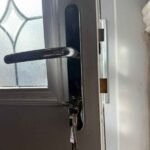
Broken or Snapped Keys
Keys can snap because of excessive force, worn keys, or existing lock problems.
Sometimes only the broken key needs removing. In other situations, the broken key damages the internal pins or cylinder, making repair impossible.
Incorrect Installation
Poorly fitted locks place unnecessary pressure on internal components.
Signs include:
- Door needing to be lifted before locking
- Lock catching halfway
- Misaligned latch or deadbolt
- Excessive force required to turn the key
In many cases, correcting the door alignment solves the issue without replacing the lock.
Signs Your Lock Needs Professional Attention
Many lock problems start small before becoming complete failures. Addressing them early can prevent emergency lockouts and improve your property’s security.
Watch for these warning signs:
- The key sticks inside the lock
- The lock feels stiff or rough
- The key only turns part way
- You hear grinding or clicking noises
- The handle becomes loose
- The door won’t lock properly
- Visible rust or corrosion
- The lock occasionally jams
- You have to force the key to turn
If you notice any of these issues, it’s best to arrange a professional inspection before the problem worsens.
When Can a Damaged Lock Be Repaired?
Not every damaged lock needs replacing. Many faults can be repaired quickly and affordably by an experienced locksmith.
Minor Internal Wear
Small components such as springs, pins, and followers naturally wear over time. If the main body of the lock remains in good condition, replacing these parts can restore smooth operation.
Cleaning and Lubrication
Dust, dirt, and debris can accumulate inside the cylinder, making the lock feel stiff.
Professional cleaning combined with the correct lubricant often resolves problems caused by contamination. Household oils should generally be avoided, as they can attract more dirt over time.
Door Alignment Problems
Sometimes the lock isn’t actually faulty at all.
If the door has dropped because of worn hinges or seasonal movement, the lock and strike plate may no longer line up correctly.
Realigning the door can restore normal operation without replacing any lock components.
Loose Handles or Fixings
Loose screws or worn handles may affect how the locking mechanism works.
Replacing or tightening external hardware is usually a simple repair that extends the life of the existing lock.
Multi-Point Lock Adjustments
Many uPVC and composite doors use multi-point locking systems.
Minor issues with rollers, keeps, or alignment can often be repaired without replacing the entire mechanism.
Replacing Small Components
Depending on the lock model, locksmiths can replace:
- Springs
- Pins
- Followers
- Retaining clips
- Cam components
- Certain internal mechanisms
This is often far more economical than installing a completely new lock.
When Does a Lock Need Replacing Instead?
Although repairs are possible in many situations, there are times when replacement is the only sensible option.
Severely Worn Internal Mechanisms
If multiple components have worn out or the mechanism has reached the end of its service life, repairing individual parts may only provide a temporary fix.
A replacement offers greater reliability and better long-term value.
Cracked or Snapped Cylinders
A cracked Euro cylinder or damaged lock body cannot be safely repaired.
Replacing the damaged cylinder restores security and ensures the lock functions correctly.
Security Features Have Failed
Modern locks include anti-snap, anti-drill, and anti-pick protection.
If these features have been compromised, the lock should be upgraded rather than repaired.
Burglary Damage
Following an attempted break-in, even minor internal damage can affect the lock’s strength.
Replacing the lock ensures your property remains properly secured and may also satisfy insurance requirements.
Obsolete or Low-Security Locks
Older locks often fail to meet current security standards.
Replacing outdated locks with insurance-approved models improves protection and provides greater peace of mind.
Replacement Parts Are No Longer Available
Some older lock models are no longer manufactured.
If suitable replacement parts cannot be sourced, installing a new lock becomes the most practical solution.
Constant Repeat Repairs
If the same lock continues to develop problems, repeatedly repairing it usually costs more than replacing it altogether.
Lock Repair vs Lock Replacement
| Lock Repair | Lock Replacement |
|---|---|
| Lower initial cost | Higher upfront investment |
| Suitable for minor faults | Best for major damage |
| Faster for small issues | Provides a brand-new mechanism |
| Retains existing hardware | Improves overall security |
| Ideal when components are available | Ideal when parts are obsolete |
| May only provide a temporary solution | Offers longer-term reliability |
A professional locksmith will always compare the cost, condition, and expected lifespan before recommending either option.
Factors a Locksmith Considers Before Making a Recommendation
Every lock is different, and choosing between repair and replacement requires a thorough assessment.
Professional locksmiths typically consider:
- Age of the lock
- Type of locking system
- Overall condition
- Extent of the damage
- Availability of replacement parts
- Current security standards
- Insurance compliance
- Cost of repair compared with replacement
- Expected future reliability
This ensures customers receive honest advice based on the condition of the lock rather than unnecessary sales.
Is Repair Always the Cheapest Option?
Not necessarily.
A repair may cost less today, but if the lock fails again within a few months, the total cost can quickly exceed the price of installing a new lock.
Replacing a heavily worn lock often provides:
- Better security
- Improved reliability
- Longer lifespan
- Reduced maintenance
- Compliance with modern insurance requirements
The most affordable solution is the one that offers lasting value rather than simply the lowest initial cost.
Can You Repair a Lock Yourself?
Basic maintenance, such as cleaning around the lock and applying a suitable graphite or PTFE-based lubricant, may improve minor stiffness.
However, dismantling a lock without the correct tools or knowledge can cause additional damage.
DIY repairs may result in:
- Broken internal components
- Incorrect reassembly
- Reduced security
- More expensive repairs later
- Complete lock failure
For anything beyond simple maintenance, it’s always advisable to contact a qualified locksmith.
How a Professional Locksmith Diagnoses a Damaged Lock
Before recommending repair or replacement, an experienced locksmith follows a systematic inspection process.
This usually includes:
- Examining the external condition of the lock.
- Testing the key and cylinder operation.
- Checking door alignment.
- Inspecting internal components where possible.
- Identifying worn or damaged parts.
- Assessing overall security.
- Providing clear recommendations and pricing.
- Testing the lock after completing the work.
This approach ensures the problem is accurately diagnosed before any work begins.
Why Choose REMS Locksmiths Leeds?
At REMS Locksmiths Leeds, we believe every customer deserves honest advice and reliable workmanship. Our locksmiths assess each lock carefully before recommending whether repair or replacement is the best solution.
When you choose REMS Locksmiths Leeds, you benefit from:
- Experienced local locksmiths
- Fast emergency response across Leeds
- Residential and commercial lock expertise
- Non-destructive methods whenever possible
- High-quality replacement locks
- Insurance-approved security upgrades
- Transparent pricing with no hidden costs
- Friendly, professional service
Whether your lock only needs a minor repair or requires a complete replacement, my team will help restore your property’s security quickly and efficiently.
Frequently Asked Questions
Can every damaged lock be repaired?
No. Minor faults are often repairable, but severely damaged or obsolete locks usually need replacing.
Is repairing a lock cheaper than replacing it?
For small faults, yes. However, if the lock is badly worn or repeatedly fails, replacement often provides better long-term value.
How do I know if my lock is beyond repair?
Difficulty locking the door, visible cracks, severe rust, burglary damage, or repeated failures are common signs that replacement may be necessary.
Should I replace my locks after losing my keys?
Yes. If your keys have been lost or stolen and could be linked to your property, replacing or rekeying the lock is strongly recommended for security reasons.
Can uPVC door locks be repaired?
Many uPVC door locking systems can be repaired if the fault involves alignment or replaceable components. A locksmith can determine whether repair or replacement is the better option.
How long does a lock repair take?
Most straightforward lock repairs can be completed within an hour, although more complex mechanisms may require additional time or replacement parts.
Final Thoughts
A damaged lock doesn’t always need replacing, but it should never be ignored. Minor wear, alignment issues, and replaceable components can often be repaired, helping you save money while restoring smooth operation. However, if the lock has suffered significant wear, burglary damage, or no longer meets modern security standards, replacement is usually the safest and most reliable solution.
If you’re unsure whether your lock can be repaired or needs replacing, the experienced team at REMS Locksmiths Leeds can provide a professional assessment and recommend the most suitable option. Acting early not only prevents unexpected lock failures but also helps keep your home or business secure.