Anti-snap locks have become one of the most practical home security upgrades for property owners in Leeds. They are designed to protect doors from cylinder snapping, a common break-in method that targets standard euro locks. For homeowners, landlords, and small business owners, the main question is often not whether these locks are worth installing, but what influences the final price.
The cost of fitting anti-snap locks is not the same for every property. It depends on the lock type, the door material, the number of locks being replaced, and whether the work is planned or urgent. Understanding these factors helps you make a better decision and avoid paying more than necessary.
Why Anti-Snap Locks Matter
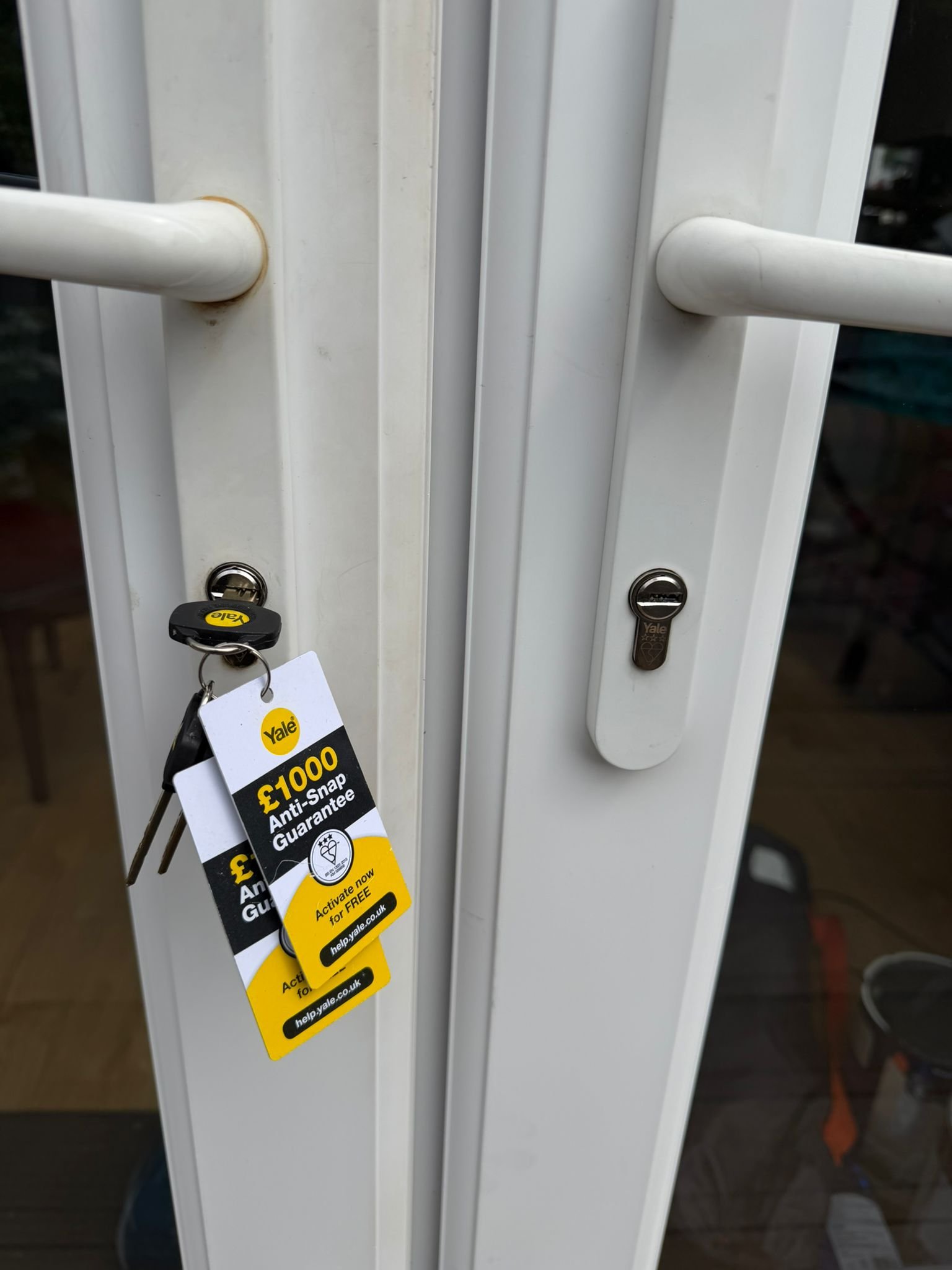
Standard lock cylinders can sometimes be forced open with simple tools if they are not designed to resist attack. Anti-snap locks add an extra layer of protection by including a sacrificial section that breaks in a controlled way while keeping the internal mechanism secure.
This makes them especially useful for homes in areas where security is a concern, as well as for people who want to improve protection without replacing the entire door system. They are a straightforward upgrade, but the price can vary depending on the level of security you choose.
1. Type and Quality of the Lock
One of the biggest cost factors is the lock itself. Anti-snap cylinders come in different grades, and not all of them offer the same level of protection.
Basic models are usually cheaper, but higher-rated options often cost more because they are tested to stricter standards. Many buyers choose TS007 3-star locks or similar insurance-approved products because they offer better resistance against snapping, drilling, and picking. These locks usually come at a higher upfront cost, but they can provide stronger long-term value.
If you are comparing prices, it is important to remember that the cheapest option is not always the best one. A low-cost lock may reduce installation expenses at first, but it may not offer the level of security you actually need.
2. Number of Locks Being Replaced
Another major factor is how many locks need fitting. Replacing a single front door cylinder will naturally cost less than upgrading multiple doors at the same time.
For example, a home with a front entrance, back door, and patio access may need several locks replaced in one visit. In many cases, locksmiths can complete multiple installations more efficiently than a single one-off job, which may help reduce the overall cost per lock.
This is one reason many property owners choose to upgrade all vulnerable entry points at once instead of doing the work in stages.
3. Door Type and Compatibility
The type of door also affects the final price. Anti-snap locks are commonly fitted to uPVC, composite, and timber doors, but each door type can present different fitting requirements.
Some doors may already have a compatible cylinder size, which makes the job quick and simple. Others may need adjustments, measurements, or replacement parts before the lock can be installed properly. If a door has an older locking system or unusual dimensions, the work may take longer and cost more.
In some cases, the locksmith may also need to check whether the existing multi-point locking mechanism is in good condition. If related parts are worn or damaged, they may need attention as well.
4. Labour and Call-Out Charges
The installation fee itself can vary depending on the locksmith’s experience, location, and service structure. Some charge a flat fee for fitting, while others combine labour with a call-out charge.
Local market rates in Leeds can also influence what you pay. A straightforward scheduled job during normal hours will usually be less expensive than urgent work requested at short notice. Skilled locksmiths often charge more for their time and expertise, but that cost can be worthwhile if it ensures the lock is fitted correctly and securely.
Poor fitting can reduce the effectiveness of even a high-quality lock, so choosing someone experienced is often more economical in the long run.
5. Emergency vs Planned Installation
Urgency is another important price factor. If you need a lock installed right away after a burglary attempt, lost key situation, or broken cylinder, the cost is likely to be higher than for a planned appointment.
Emergency call-outs often include evening, weekend, or holiday surcharges. That extra convenience can be useful in urgent situations, but it is not usually the cheapest option.
If your current lock still works and you are simply upgrading for better security, scheduling the installation in advance is usually the more affordable approach.
6. Additional Security Work
Sometimes the cost is higher because the locksmith is doing more than just replacing the cylinder. Many homeowners choose to improve the wider security setup at the same time.
This can include stronger door handles, reinforced escutcheons, adjusted keeps, or upgrades to the multi-point locking system. These additions can improve overall protection, but they also increase the final bill.
For properties that have already been targeted or that contain high-value items, these extra measures may be a smart investment. For others, a standard anti-snap cylinder may be enough.
7. Brand, Certification, and Insurance Approval
Security certification also affects pricing. Locks that meet British Standards or carry recognised approval marks generally cost more than untested alternatives.
That higher price reflects the testing process and the confidence that comes with a certified product. In many cases, insurance providers prefer or require approved locks, which can make certification an important factor rather than a luxury.
For property owners who want a better balance between cost and protection, this is usually the area where quality matters most.
What to Expect on Price
While actual pricing depends on the details of the job, most anti-snap lock fitting quotes in Leeds will be shaped by the factors above. A simple replacement on one door will usually be the most affordable. A premium lock, fitted urgently on multiple doors, will be at the higher end.
The best way to judge value is to compare the total package rather than just the lock price. That means looking at the cylinder quality, the labour included, and whether the work comes with any guarantee or aftercare.
Is It Worth the Investment?
For most homes, the answer is yes. Anti-snap locks are one of the simplest ways to improve entry-point security without major disruption. They are especially valuable if your current locks are old, damaged, or not certified to modern standards.
The upfront cost is relatively modest compared with the potential damage and stress caused by a forced entry. In that sense, the upgrade is not just about protection; it is also about peace of mind.
Choosing the Right Installer
If you want the job done properly, it is worth choosing a locksmith who can explain the difference between lock types, assess the door correctly, and recommend the right option for your property. A professional fitting reduces the risk of future issues and helps ensure the lock performs as intended.
For readers who want to learn more about the service itself, anti-snap lock fitting in Leeds is worth reviewing before booking. If you are looking for trusted local support, REMS Locksmith Leeds offers a practical route to upgrading your door security with the right balance of protection and value.
Final Thoughts
The cost of anti-snap lock fitting in Leeds depends on several clear factors: lock quality, number of doors, door type, labour, urgency, and any added security work. Once you understand these points, it becomes easier to choose a solution that fits both your budget and your security needs.
A good lock is more than a hardware upgrade. It is a long-term investment in safety, confidence, and convenience.