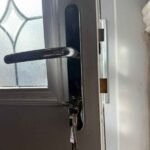
A UPVC door should feel smooth, secure, and easy to use. When it starts becoming stiff, awkward, or unreliable, the gearbox is often the part that deserves attention. The gearbox is a small but essential component inside the multi-point locking system, and when it begins to fail, the whole door can stop working properly.
Many homeowners notice the symptoms long before they understand the cause. The handle may feel heavy. The key may not turn cleanly. The door may need to be pushed, lifted, or forced shut. These are all early warnings that something inside the lock mechanism is wearing out.
In this guide, we will look at the most common UPVC gearbox failure signs, what causes them, and when repair or replacement is the better option.
What Is a UPVC Gearbox?
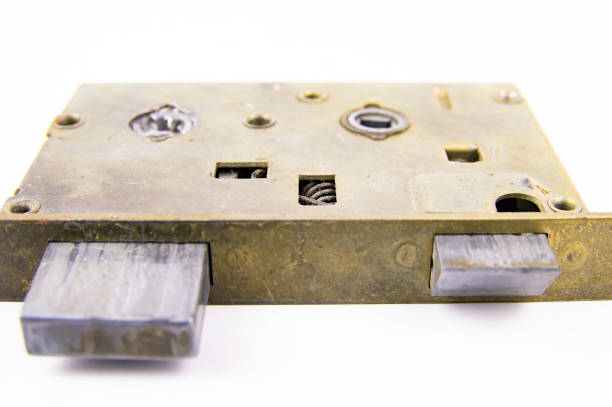
The gearbox is the central working part inside a UPVC multi-point lock. It connects the handle, spindle, and locking mechanism, allowing the door to lock and unlock correctly. When you lift the handle and turn the key, the gearbox helps move the locking points into place.
Because it is used every day, the gearbox experiences a lot of pressure. Over time, that repeated use can cause wear inside the mechanism. If the gearbox begins to fail, the door may still look fine from the outside, but it will not operate as it should.
If you are also trying to understand the wider lock system, it can help to compare it with the euro cylinder and multi-point lock guide, which explains how the parts work together in a UPVC door.
The Most Common UPVC Gearbox Failure Signs
1. The Handle Becomes Stiff
One of the earliest signs of gearbox trouble is a handle that feels harder to lift than usual. A healthy UPVC door handle should move with steady pressure. If it suddenly feels tight, gritty, or resistant, the gearbox may be wearing down internally.
This usually happens because internal parts are no longer aligning smoothly. In some cases, the door may still lock, but only after extra effort. That extra strain is often the first clue that a deeper problem is developing.
2. The Key Turns, But the Door Does Not Lock Properly
Another common sign is when the key turns but the locking points do not fully engage. This can happen if the gearbox is slipping or no longer transferring movement correctly to the rest of the mechanism.
Homeowners often think the cylinder is the issue, but the problem is frequently deeper inside the lock. If you are unsure whether the fault is in the cylinder, the gearbox, or the full locking mechanism, a professional inspection is usually the fastest way to get a clear answer.
3. The Door Needs to Be Lifted or Pulled to Lock
If your UPVC door only locks when you lift it hard, pull it toward you, or push it into position, the gearbox may be under strain. Sometimes this starts as a minor alignment issue, but as the gearbox wears, the door becomes harder to operate.
This is one of those problems that should not be ignored. When a door has to be forced into position every day, the internal mechanism usually wears out faster.
4. Clicking, Grinding, or Snapping Sounds
A healthy gearbox should operate quietly. If you hear clicking, grinding, or snapping noises when turning the handle or key, it often means the internal gears are damaged or beginning to fail.
These sounds should be treated as a warning sign. Once the gearbox starts making unusual noise, it may only be a matter of time before it jams completely.
5. The Handle Goes Down Too Easily or Feels Loose
A loose handle can also point to gearbox failure. In some cases, the handle drops too easily without properly operating the lock. In others, it may feel unstable, as though it is not connected firmly to the mechanism.
This can happen when the gearbox spindle connection or internal spring components are worn. Even if the door still opens for now, the problem usually gets worse with continued use.
6. The Door Will Not Lock on One Side
Multi-point locks secure the door at more than one point. If only one side engages, or the locking points do not move evenly, the gearbox may be failing. This can leave the door insecure even when it appears closed.
That kind of fault is especially important to deal with quickly because it affects both convenience and security.
What Causes Gearbox Failure?
Gearboxes usually do not fail without reason. In many cases, the problem builds up over time because of:
- daily wear and tear
- poor alignment
- forcing the handle or key
- lack of maintenance
- rust or internal damage
- old or low-quality components
A door that has dropped slightly can place extra pressure on the locking system. Over time, that pressure can damage the gearbox and make the entire mechanism harder to use.
For homeowners dealing with symptoms like this, our uPVC Door Lock Repair Services page is a useful place to understand what a repair visit usually involves.
Gearbox Problem or Door Alignment Issue?
Not every stiff UPVC door means the gearbox has failed. Sometimes the door itself is misaligned, which makes the lock harder to operate. In other words, the gearbox may not be broken at all, but it is being forced to work against a door that is no longer sitting correctly in the frame.
This is why a proper diagnosis matters. A good locksmith will check the hinges, keeps, handle, cylinder, and locking strip before deciding whether the gearbox needs repair or replacement.
If your door is already struggling to lock, you may also want to look at this uPVC door not locking properly fix guide for a clearer idea of the common causes.
Repair or Replace the Gearbox?
In some cases, the gearbox can be repaired. If the issue is small and the rest of the lock is still in good condition, a repair or adjustment may be enough. However, many gearbox problems are caused by internal wear, and once that wear has progressed, replacement is often the better choice.
Replacement becomes more likely when:
- the gearbox has seized
- the internal parts are badly worn
- the lock keeps failing after temporary fixes
- the mechanism is no longer reliable
A replacement may seem like a bigger step, but it can save money in the long run if the old part is already near the end of its life.
How Much Does It Cost?
The cost of gearbox work depends on the exact fault, the type of door, and whether the full mechanism needs replacing. A simple repair is usually less expensive than a complete replacement, but the final price can vary based on labour and parts.
If you want a broader idea of what repairs may cost, our uPVC door repair cost page gives a useful overview.
Common UPVC Door Problems in Leeds Homes
Gearbox issues are just one part of a wider group of UPVC door faults that homeowners deal with every day. In many cases, the problem starts small and becomes more serious over time. Stiff handles, jammed locks, dropped doors, and keys that do not turn smoothly are all problems that can often be fixed if they are addressed early.
For a wider look at related faults, this page on common UPVC door problems in Leeds is worth keeping in mind.
How to Prevent Gearbox Failure
A few simple habits can help extend the life of your UPVC lock system:
- Do not force the handle or key
- Keep hinges and locking points maintained
- Avoid slamming the door
- Check alignment when the door starts feeling stiff
- Get small issues checked early
The more pressure a gearbox is put under, the sooner it tends to wear out. Early attention is almost always cheaper than waiting for the lock to seize completely.
Final Thoughts
UPVC gearbox failure usually gives warning signs before it becomes a major problem. A stiff handle, clicking noises, poor locking action, or a door that needs lifting to close properly should all be taken seriously.
The gearbox is a small part of the door, but it has a big job to do. Once it starts failing, the whole locking system can become unreliable. The best approach is to catch the problem early, get a proper diagnosis, and choose the right repair before the fault spreads further.